
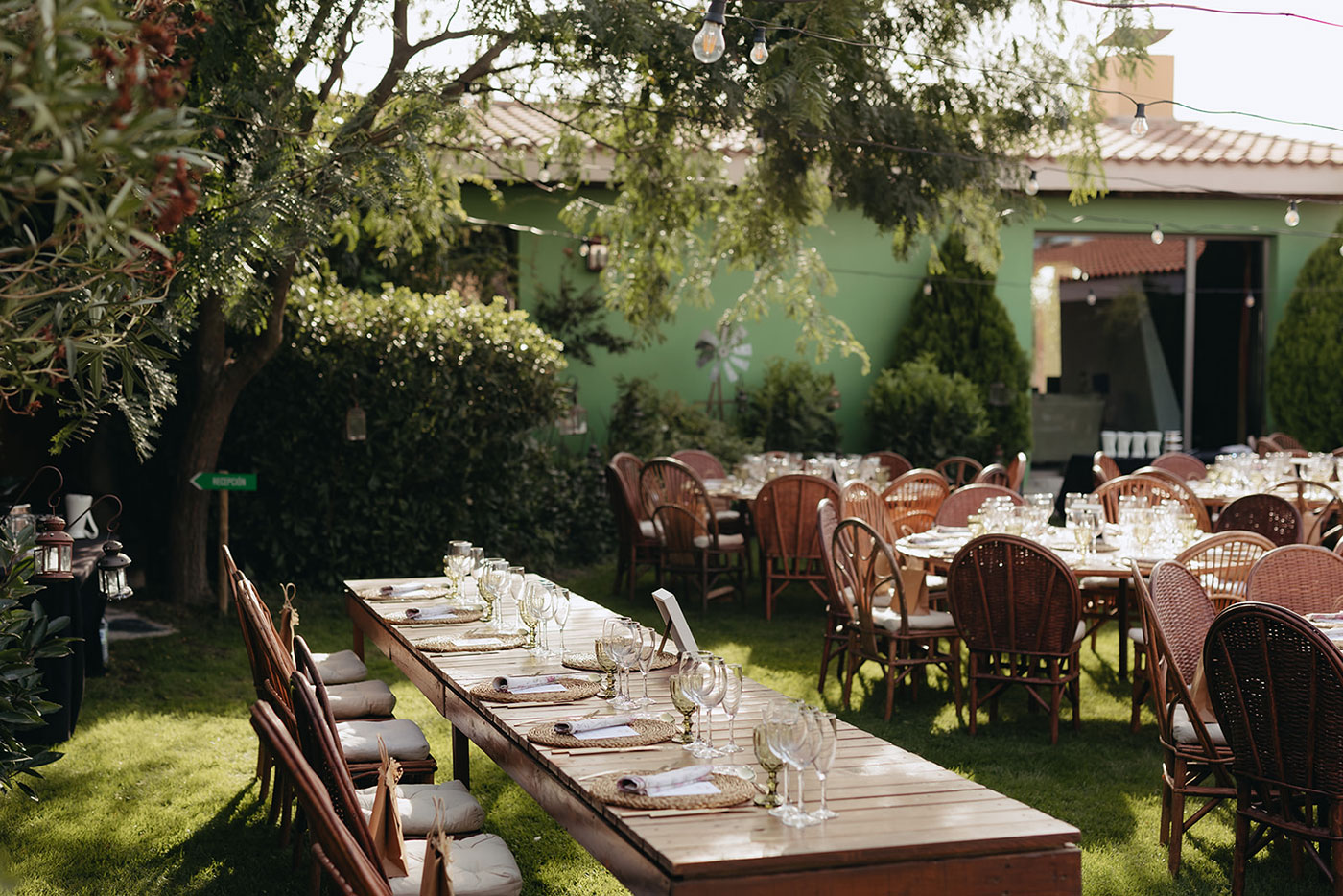
Spain's residency rules put many couples off — here's how British and Irish couples actually marry there, legally and beautifully.
Spain has a way of making a wedding feel inevitable — the light, the long tables, the sense that everyone will stay up later than planned. Then a couple starts researching the legal side, finds conflicting advice about residency, and quietly wonders whether it's all more trouble than it's worth. It isn't, once you understand how it actually works.
The residency myth
Much of the confusion comes from one fact that gets repeated without context: a civil marriage conducted by a Spanish town hall usually requires at least one partner to be legally resident, often for a specified period before the ceremony, with paperwork lodged well in advance through the local civil registry. That's true, and it's genuinely impractical for most British and Irish couples who have jobs, homes and lives elsewhere. What tends to get missed is that this is only one route to marrying in Spain — and not the one most visiting couples take.
The route most couples actually use
The vast majority of British and Irish couples who marry in Spain do the legal paperwork at home — a straightforward civil ceremony at a register office in the weeks before travelling — and then have their real wedding, the one with the guests, the dress, the readings and the party, in Spain itself. Legally, you are married the moment you sign the register at home. Everything that follows in Spain is your wedding in every sense that matters to you and your guests: vows exchanged, rings given, speeches made, photographs taken on a terrace with the sea behind you. No residency requirement applies, because no civil act is being performed by the Spanish authorities.
Some couples find this surprising, even faintly deflating, when they first hear it. In practice, it tends to work in their favour. A short, private register office appointment at home removes all legal pressure from the day itself — no risk of a registrar running late, no translated documents to chase, no uncertainty about whether paperwork lodged months earlier has been processed correctly. The ceremony in Spain can then be built entirely around you: your own vows, a celebrant who actually knows your story, readings from people you love, timed to the light rather than to a government office's opening hours.
What the day in Spain actually looks like
A symbolic ceremony in Spain carries exactly the same weight, warmth and formality as any other wedding ceremony — the difference is purely a matter of where the legal paperwork sits. Couples still process to music, still exchange rings, still sign a certificate of marriage (a keepsake, rather than a legal document) in front of their guests. Many find they actually prefer this arrangement, because it separates the legal formality from the emotional centrepiece, and lets the Spain ceremony be shaped entirely around personal meaning rather than regulatory requirement.
Catholic couples with a genuine connection to a parish sometimes explore a full religious ceremony in Spain instead, which has its own separate requirements through the Church rather than the civil registry — this is a different conversation and one we're happy to talk through if it's relevant to you.
Getting the order and paperwork right
Timing matters more than most couples expect. Your UK or Irish civil marriage should take place before you travel, and you'll want your marriage certificate, along with photo ID, available in Spain in case your venue or officiant asks to see it — not because Spanish law requires it for a symbolic ceremony, but because good venues like to know exactly who they're dealing with. Beyond that, there's very little bureaucracy standing between you and the wedding you actually want.
We confirm current requirements in writing with the relevant authority for your chosen Spanish region before anything is booked, since practice can vary slightly by province and does change from time to time. That's part of what full planning means in practice — not just the flowers and the timings, but making sure the legal foundations are quietly, correctly in place well before your guests arrive.
A note on the alternative
If the idea of two separate events — a register office at home and a ceremony abroad — doesn't appeal, it's worth knowing that Cyprus allows British and Irish couples to marry fully and legally in a single ceremony on the island itself, under its own well-established process. We confirm the current requirements with the couple's municipality in writing, so there's never any guesswork. Cyprus also offers exceptional value, with our Cyprus packages running from £8,199 to £10,999, and over 300 days of sunshine a year to plan around.
Whether Spain's split approach suits you, or a single legal ceremony in Cyprus feels closer to what you're after — or indeed Zakynthos, our most requested destination, turns out to be the one that captures your imagination once you see it properly — the right answer depends entirely on what matters most to the two of you.
We'd be glad to talk it through. Get in touch for a free consultation, and we'll help you work out not just where to marry, but how to do it in a way that feels effortless from the first booking to the last dance.